 FREE UK DELIVERY ON ORDERS OVER £20.
 WORLDWIDE SHIPPING AVAILABLE
 FREE UK DELIVERY ON ORDERS OVER £20.
 WORLDWIDE SHIPPING AVAILABLE


Do you find your energy levels drop dramatically between 2pm and 4pm? You’re not alone. Many people experience an afternoon energy slump, often characterised by tiredness, poor concentration, reduced motivation, and a strong desire for caffeine or sugary snacks. While an occasional dip in energy is normal, persistent afternoon fatigue can sometimes be linked to lifestyle habits, poor sleep, dehydration, or nutritional factors. In this guide, we’ll explore the most common causes of afternoon tiredness and practical ways to support your energy levels throughout the day.
Quick answer: why am I so tired in the afternoon?
Afternoon tiredness can be caused by poor sleep, dehydration, blood sugar fluctuations, stress, lack of physical activity, or inadequate nutrient intake. For many people, a combination of factors contributes to their daily energy slump.
Quick answer: is it normal to feel tired in the afternoon?
A mild dip in alertness during the afternoon is common. However, if fatigue is affecting your productivity, concentration, or wellbeing, it may be worth looking at potential lifestyle and nutritional factors.
Why does the afternoon energy crash happen?
Your body’s natural circadian rhythm influences energy levels throughout the day.
Many people experience a natural dip in alertness during the afternoon, even if they have slept well. However, this natural dip can become more pronounced when combined with poor lifestyle habits or nutritional imbalances.
Common causes of afternoon fatigue
Poor sleep quality
Even if you’re getting the recommended number of hours of sleep, poor-quality sleep can affect your energy levels the following day.
Interrupted sleep, inconsistent bedtimes, and excessive screen use before bed can all contribute to daytime fatigue.
Dehydration
Many people underestimate how much hydration affects energy and concentration.
Even mild dehydration can lead to tiredness, headaches, and reduced mental performance.
Blood sugar fluctuations
Meals high in refined carbohydrates and sugar can cause rapid increases in blood sugar followed by energy crashes later in the day.
Choosing balanced meals that include protein, fibre, and healthy fats may help support more stable energy levels.
Stress and mental overload
Chronic stress can be physically and mentally draining.
When your mind is constantly processing information, concentration and motivation can begin to suffer, particularly later in the day.
Lack of movement
Sitting for long periods can leave you feeling sluggish and tired.
Simple activities such as stretching, walking, or spending a few minutes outdoors can help boost alertness and support circulation.
Could nutrient deficiencies be contributing?
Nutrients play an important role in energy production and overall wellbeing.
If you’re experiencing persistent tiredness, it may be worth considering whether your nutritional intake is providing adequate support.
Vitamin B12
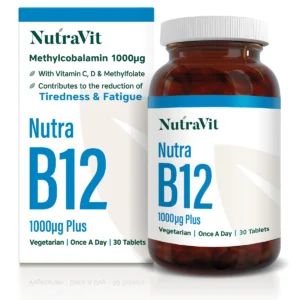
Vitamin B12 contributes to normal energy-yielding metabolism and helps reduce tiredness and fatigue.
Low vitamin B12 levels can contribute to fatigue, weakness, and poor concentration.
Nutra B12 Plus provides targeted vitamin B12 support as part of a balanced nutritional routine.
Folate
Folate contributes to normal psychological function and helps reduce tiredness and fatigue.
Low folate levels may sometimes contribute to low energy and difficulty concentrating.
NutraFolate Plus provides convenient folate supplementation to support daily nutritional intake.

B vitamins
The wider B vitamin family plays a key role in helping the body convert food into usable energy.
Supporting adequate intake of B vitamins may help support normal energy metabolism.
Nutra B50 Complex provides a broad spectrum of B vitamins in a convenient daily supplement.

Magnesium
Magnesium contributes to normal energy-yielding metabolism and supports normal nervous system function.
Because magnesium also supports muscle function and psychological function, maintaining adequate intake may help support overall wellbeing.
Nutra Mag provides convenient magnesium supplementation for everyday support.

Simple ways to beat the afternoon slump
Stay hydrated
Keep a water bottle nearby and drink consistently throughout the day.
Prioritise protein at lunch
Including protein in your meals may help support more stable energy levels.
Take regular movement breaks
A short walk or stretch can help improve alertness and reduce feelings of sluggishness.
Get outside
Natural daylight can help support alertness and regulate your body’s internal clock.
Support your nutrition
Ensuring adequate intake of key vitamins and minerals can help support energy production and overall wellbeing.
Supporting energy levels naturally
There is rarely a single cause of afternoon fatigue.
Instead, energy levels are influenced by a combination of sleep, hydration, movement, nutrition, and lifestyle habits.
Making small, consistent improvements in these areas can often help support more stable energy throughout the day.
Products such as Nutra B12 Plus, NutraFolate Plus, Nutra B50 Complex, and Nutra Mag can help support your nutritional intake as part of a balanced lifestyle.
Your questions answered
Why do I get so tired around 3pm?
A natural dip in your circadian rhythm, combined with factors such as poor sleep, dehydration, or nutrition, may contribute to afternoon tiredness.
What deficiency causes afternoon fatigue?
Low levels of vitamin B12, folate, magnesium, and other nutrients involved in energy metabolism may contribute to fatigue.
How can I stop feeling tired in the afternoon?
Improving sleep, staying hydrated, eating balanced meals, moving regularly, and supporting your nutritional intake may help.
Is afternoon fatigue normal?
A mild afternoon dip is common, but persistent fatigue may indicate lifestyle or nutritional factors worth addressing.
What vitamins help with energy?
B vitamins, vitamin B12, folate, and magnesium all contribute to normal energy-yielding metabolism and overall wellbeing.


