 FREE UK DELIVERY ON ORDERS OVER £20.
 WORLDWIDE SHIPPING AVAILABLE
 FREE UK DELIVERY ON ORDERS OVER £20.
 WORLDWIDE SHIPPING AVAILABLE

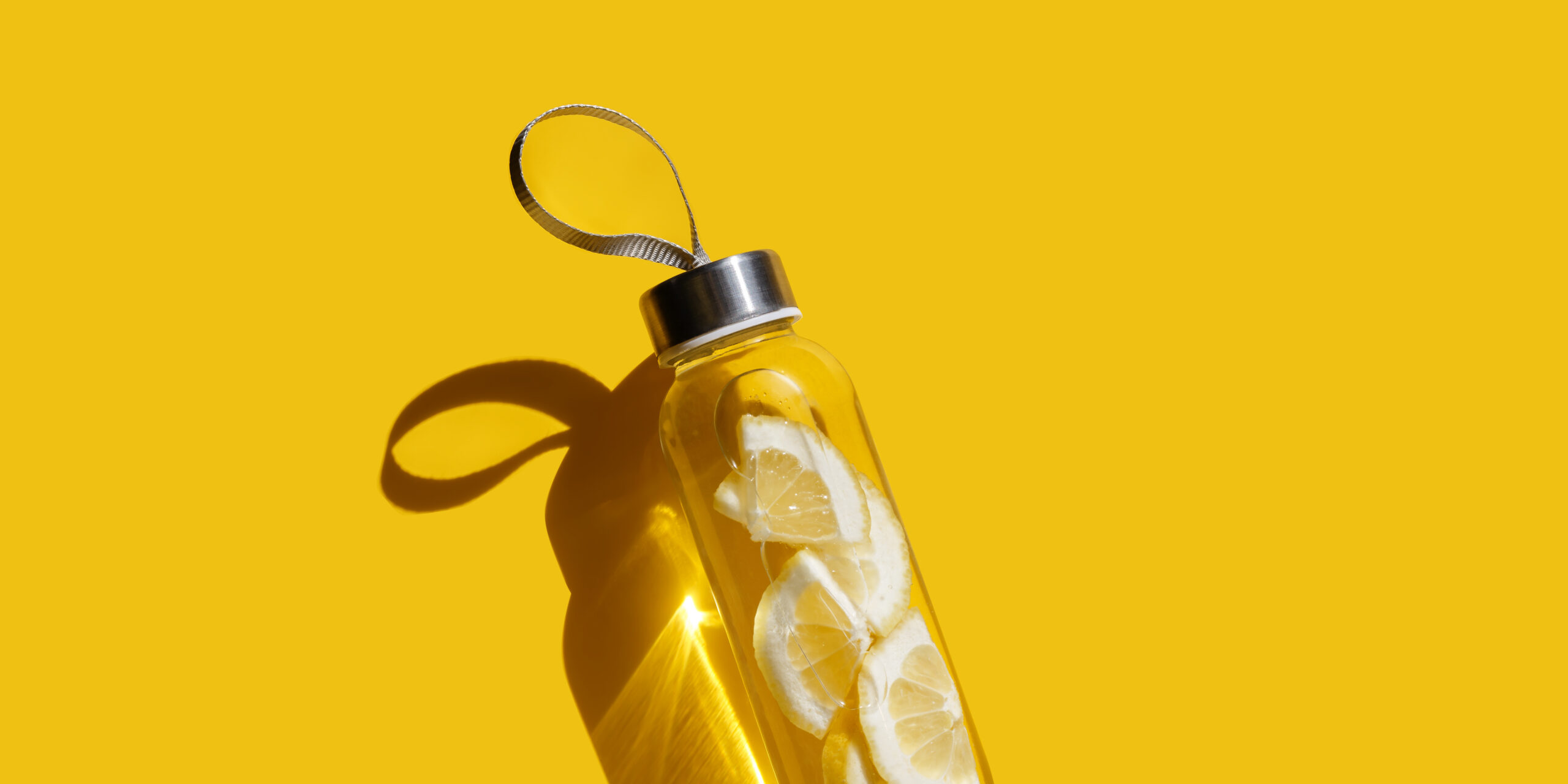
Staying hydrated is essential for overall health, yet many people become mildly dehydrated during the summer months without realising it. Warmer temperatures, increased physical activity, travel, and spending more time outdoors can all increase the body’s fluid requirements. Even mild dehydration can affect energy levels, concentration, physical performance, and overall wellbeing. In this guide, we’ll explore the most common signs of dehydration, why hydration matters, and practical ways to stay properly hydrated throughout the summer.
Quick answer: what are the signs of dehydration?
Common signs of dehydration include thirst, headaches, fatigue, dizziness, dark urine, dry mouth, poor concentration, and reduced physical performance.
Quick answer: how much water should I drink each day?
Fluid requirements vary between individuals depending on age, activity levels, climate, and overall health. During hot weather or periods of increased activity, many people need additional fluids to stay properly hydrated.
Why dehydration is more common in summer
During warmer weather, the body loses more fluid through sweating as it works to regulate temperature.
Factors that can increase the risk of dehydration include:
- Hot weather
- Exercise and physical activity
- Travelling
- Spending long periods outdoors
- Alcohol consumption
- Not drinking enough fluids throughout the day
Because dehydration can develop gradually, many people don’t realise they’re becoming dehydrated until symptoms begin to appear.
10 signs you may be dehydrated
1. Feeling thirsty
Thirst is one of the body’s earliest warning signs that fluid intake needs to increase.
2. Fatigue and low energy
Many people associate tiredness with lack of sleep, but dehydration can also contribute to feelings of fatigue and reduced energy.
3. Headaches
Insufficient fluid intake may contribute to headaches in some individuals.
4. Difficulty concentrating
Hydration plays an important role in cognitive performance.
Even mild dehydration can affect concentration, focus, and mental clarity.
5. Dizziness
Feeling light-headed or dizzy can sometimes occur when the body is lacking adequate fluids.
6. Dry mouth
A dry or sticky feeling in the mouth can be an early sign that hydration levels need attention.
7. Dark-coloured urine
Urine colour can often provide a useful indication of hydration status.
Darker urine may suggest that fluid intake needs to increase.
8. Reduced exercise performance
Hydration is important for physical performance and recovery.
Dehydration can make exercise feel more difficult and may affect endurance.
9. Muscle cramps
In some cases, fluid loss combined with sweating may contribute to muscle cramps and discomfort.
10. Feeling generally sluggish
Many people simply describe dehydration as feeling “off”, tired, or lacking their usual energy.
Why hydration affects energy levels
Water plays a role in almost every function within the body.
When hydration levels fall, the body must work harder to perform everyday tasks, which can contribute to:
- Tiredness
- Brain fog
- Reduced concentration
- Lower physical performance
- Slower recovery after exercise
This is one reason why dehydration is often mistaken for fatigue.
The role of magnesium in hydration and wellbeing
While water is essential, hydration involves more than fluid intake alone.
Minerals such as magnesium play important roles in muscle function, nervous system function, and overall wellbeing.
Periods of increased sweating may affect mineral balance, making it important to maintain a balanced diet and adequate nutrient intake.
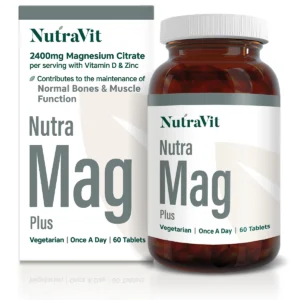
Nutra Mag provides convenient magnesium supplementation to support daily wellbeing and normal muscle function.
Other nutrients that support energy
If tiredness persists despite improving hydration, it may be worth considering other nutritional factors.
Nutrients involved in normal energy metabolism include:
- Vitamin B12
- Folate
- B vitamins
- Magnesium
- Vitamin D
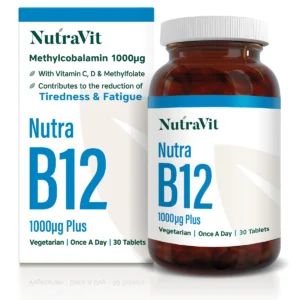
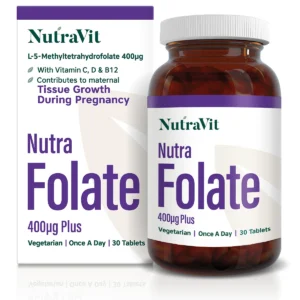
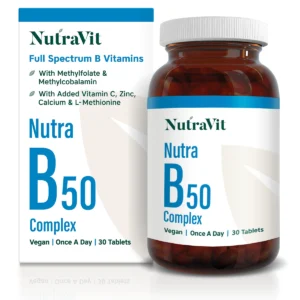
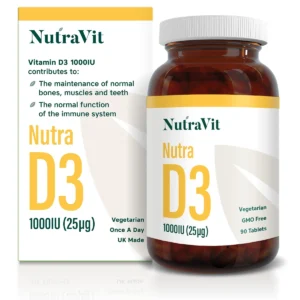
Products such as Nutra B12 Plus, NutraFolate Plus, Nutra B50 Complex, and Nutra Vitamin D3 1000IU can help support nutritional intake as part of a balanced lifestyle.
How to stay hydrated during summer
Drink regularly throughout the day
Don’t wait until you feel thirsty before drinking fluids.
Carry a reusable water bottle
Having water readily available can help encourage regular hydration.
Eat water-rich foods
Foods such as watermelon, cucumber, strawberries, oranges, and lettuce naturally contribute to fluid intake.
Limit excessive alcohol consumption
Alcohol can increase fluid loss and contribute to dehydration.
Increase fluids during exercise
Physical activity and hot weather may increase fluid requirements.
Hydration and overall wellbeing
Good hydration supports more than just thirst.
It contributes to energy levels, cognitive function, physical performance, and overall health.
Making hydration a daily priority can be one of the simplest ways to support wellbeing throughout the summer months.
Your Questions Answered
What are the first signs of dehydration?
Thirst, headaches, fatigue, dry mouth, and darker urine are among the most common early signs.
Can dehydration make you tired?
Yes. Dehydration can contribute to fatigue, reduced concentration, and lower energy levels.
How do I know if I’m drinking enough water?
Clear or pale-coloured urine and a lack of thirst can be indicators of good hydration, although individual needs vary.
Does dehydration cause brain fog?
It can. Even mild dehydration may affect concentration, focus, and mental clarity.
What helps dehydration quickly?
Increasing fluid intake and maintaining adequate hydration throughout the day are important steps. Severe dehydration requires medical attention.


