 FREE UK DELIVERY ON ORDERS OVER £20.
 WORLDWIDE SHIPPING AVAILABLE
 FREE UK DELIVERY ON ORDERS OVER £20.
 WORLDWIDE SHIPPING AVAILABLE


Folate, also known as vitamin B9, is an essential nutrient involved in red blood cell formation, DNA synthesis, and normal psychological function. Despite its importance, folate deficiency can develop gradually and may go unnoticed until symptoms begin to affect everyday life.
Low folate levels can contribute to tiredness, fatigue, difficulty concentrating, and changes in mood. In this guide, we’ll explore 10 common folate deficiency symptoms, why folate is important, and how you can support healthy levels through diet and supplementation.
Quick answer: what are the symptoms of folate deficiency?
Common folate deficiency symptoms include fatigue, weakness, brain fog, headaches, irritability, difficulty concentrating, and low mood. Symptoms can develop gradually and vary from person to person.
Quick answer: what does folate do?
Folate supports red blood cell formation, normal psychological function, DNA synthesis, and contributes to the reduction of tiredness and fatigue.
What is folate?
Folate is the natural form of vitamin B9 found in foods such as leafy green vegetables, legumes, citrus fruits, and fortified cereals.
The body requires folate for a wide range of important functions, including cell division, healthy blood formation, and supporting the nervous system.
Because the body cannot produce folate itself, it must be obtained through diet or supplementation.
Why does folate deficiency happen?
Folate deficiency can develop for a number of reasons, including:
- A diet low in folate-rich foods
- Increased nutritional requirements
- Digestive conditions that affect nutrient absorption
- Excessive alcohol consumption
- Certain medications
In some cases, low folate levels may develop gradually over time, making symptoms easy to overlook.
10 signs your body may be low in folate
1. Persistent tiredness
One of the most common folate deficiency symptoms is ongoing tiredness.
Folate contributes to normal energy-yielding metabolism and healthy red blood cell production. When levels are low, fatigue can become more noticeable.
2. Weakness and low energy
Many people with low folate report feeling physically weaker or less energetic than usual.
Even everyday activities may begin to feel more demanding.
3. Difficulty concentrating
Folate supports normal psychological function, making it important for focus and concentration.
Low levels may contribute to brain fog and difficulty staying mentally engaged.
4. Headaches
Recurring headaches can have many causes, but some people with folate deficiency experience headaches alongside other symptoms such as fatigue and poor concentration.
5. Irritability
Changes in mood and increased irritability can sometimes occur when nutrient levels are not optimal.
6. Low mood
Folate plays a role in several processes linked to normal psychological function.
As a result, low folate levels may sometimes contribute to feelings of low mood and reduced motivation.
7. Memory difficulties
Some individuals notice mild forgetfulness or difficulty recalling information when experiencing brain fog associated with nutrient deficiencies.
8. Shortness of breath
Because folate supports red blood cell formation, deficiency may affect how efficiently oxygen is transported around the body.
This can sometimes contribute to feelings of breathlessness during physical activity.
9. Dizziness
Low folate levels may occasionally contribute to dizziness, particularly when combined with fatigue and reduced energy.
10. Feeling generally run down
Sometimes the most noticeable symptom is simply feeling below your usual best.
Many people describe a persistent sense of tiredness, sluggishness, or reduced wellbeing before discovering they have low folate levels.
Foods rich in folate
Supporting your folate intake through diet is an important first step.
Good food sources of folate include:
- Spinach and leafy greens
- Broccoli
- Brussels sprouts
- Lentils and beans
- Avocados
- Citrus fruits
- Fortified cereals
Including a variety of these foods in your diet can help support healthy folate levels.
Folate and vitamin B12: why they work together
Folate and vitamin B12 are closely linked within the body.
Both nutrients support healthy red blood cell formation and energy metabolism. Because they work together, symptoms of low folate and low vitamin B12 can sometimes appear similar.
This is one reason why maintaining adequate levels of both nutrients is important for overall wellbeing.
Supporting your folate intake with NutraVit
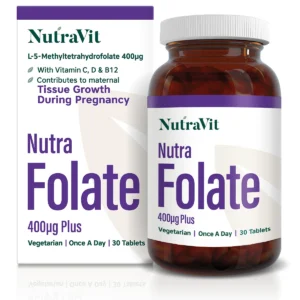
For those looking to support their daily folate intake, NutraFolate Plus provides targeted folate supplementation in a convenient format.
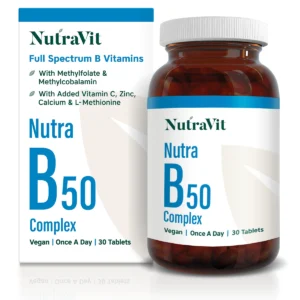
Many people also choose to support their broader B vitamin intake through products such as Nutra B50 Complex, which contains a range of B vitamins that contribute to normal energy metabolism and psychological function.
When combined with a balanced diet and healthy lifestyle habits, supplementation can help support optimal nutritional intake.
Why folate matters for overall wellbeing
Folate is involved in many essential processes throughout the body, from energy production and red blood cell formation to cognitive function and psychological wellbeing.
Ensuring adequate intake can help support healthy energy levels and overall health throughout life.
Your Questions Answered
What are the first signs of folate deficiency?
Fatigue, weakness, poor concentration, headaches, and low mood are among the most commonly reported early signs.
Can low folate make you tired?
Yes. Folate contributes to normal energy-yielding metabolism and helps reduce tiredness and fatigue.
What foods are highest in folate?
Leafy green vegetables, legumes, citrus fruits, broccoli, and fortified cereals are among the richest dietary sources.
Is folate the same as folic acid?
Folate is the naturally occurring form of vitamin B9 found in foods, while folic acid is the synthetic form commonly used in supplements and fortified foods.
How can I improve my folate levels?
Increasing folate-rich foods and considering supplementation can help support healthy folate levels as part of a balanced diet and lifestyle.


