 FREE UK DELIVERY ON ORDERS OVER £20.
 WORLDWIDE SHIPPING AVAILABLE
 FREE UK DELIVERY ON ORDERS OVER £20.
 WORLDWIDE SHIPPING AVAILABLE


Struggling to focus, feeling forgetful, or finding it difficult to think clearly? Many people describe these experiences as “brain fog”. While brain fog is not a medical condition itself, it can be a sign that your body or mind needs additional support. Brain fog can be influenced by many factors, including poor sleep, stress, dehydration, hormonal changes, and nutrient deficiencies. Understanding the underlying causes can help you take practical steps to support mental clarity and concentration. In this guide, we’ll explore the most common causes of brain fog and the nutrients that may help support cognitive function and overall wellbeing.
Quick answer: what is brain fog?
Brain fog is a term used to describe feelings of mental sluggishness, forgetfulness, difficulty concentrating, and reduced mental clarity. It is a symptom rather than a medical condition and can have a variety of underlying causes.
Quick answer: what causes brain fog?
Common causes of brain fog include poor sleep, stress, dehydration, hormonal changes, nutrient deficiencies, lack of physical activity, and certain health conditions.
What does brain fog feel like?
People experience brain fog differently, but common symptoms include:
- Difficulty concentrating
- Forgetfulness
- Mental fatigue
- Reduced focus
- Feeling mentally “slow”
- Difficulty processing information
- Lack of motivation
- Struggling to find the right words
These symptoms can range from mild and occasional to more persistent and disruptive.
Common causes of brain fog
Poor sleep quality
Sleep plays a critical role in memory, concentration, and cognitive performance.
Even if you’re spending enough time in bed, poor-quality sleep can affect how well your brain functions during the day.
Stress and mental overload
Modern life places significant demands on our attention.
When stress levels remain elevated for extended periods, concentration, memory, and decision-making can all be affected.
Many people notice increased brain fog during particularly busy or stressful periods.
Dehydration
The brain relies on adequate hydration to function efficiently.
Even mild dehydration can affect concentration, alertness, and mental performance.
Hormonal changes
Hormonal fluctuations can affect cognitive function in some individuals.
Changes during different life stages may contribute to temporary periods of reduced focus and mental clarity.
Nutrient deficiencies
Several vitamins and minerals play important roles in supporting normal cognitive function, energy metabolism, and nervous system health.
When levels become depleted, symptoms such as brain fog, fatigue, and poor concentration may become more noticeable.
Nutrients that may help support mental clarity
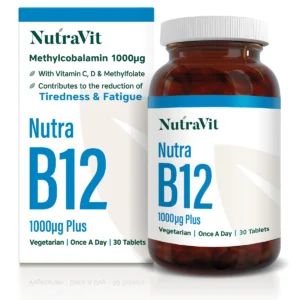
Vitamin B12
Vitamin B12 supports normal psychological function, energy-yielding metabolism, and nervous system function.
Low vitamin B12 levels are commonly associated with tiredness, fatigue, and difficulty concentrating.
Foods containing vitamin B12 include meat, fish, eggs, and dairy products.
For those looking to support their intake, Nutra B12 Plus provides a convenient source of vitamin B12.
Folate (Vitamin B9)
Folate works alongside vitamin B12 in several important processes throughout the body.
Adequate folate intake supports normal psychological function and contributes to reducing tiredness and fatigue.
Low folate levels may contribute to poor concentration and mental fatigue in some individuals.
NutraFolate Plus provides targeted folate support as part of a balanced nutritional approach.

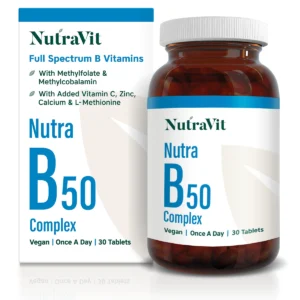
B vitamins
The wider B vitamin family plays an important role in supporting energy metabolism and cognitive function.
When energy production is supported, many people find it easier to maintain concentration and mental performance throughout the day.
Nutra B50 Complex provides a broad spectrum of B vitamins to support daily wellbeing.
Magnesium
Magnesium contributes to normal nervous system function and psychological function.
It also plays a role in supporting muscle function and relaxation, which may indirectly support cognitive performance by helping maintain healthy sleep and stress management habits.
Nutra Mag provides convenient magnesium supplementation to support overall wellbeing.

Lifestyle habits that may help reduce brain fog
While nutrition can play an important role, daily habits also matter.
Simple strategies that may help support mental clarity include:
- Prioritising consistent sleep
- Staying hydrated throughout the day
- Managing stress levels
- Taking regular movement breaks
- Eating a balanced diet
- Spending time outdoors
- Limiting excessive alcohol consumption
Often, small changes made consistently can have a noticeable impact on overall wellbeing.
When should you seek professional advice?
Occasional brain fog is common, particularly during periods of stress or poor sleep.
However, if symptoms become persistent, worsen over time, or significantly affect daily life, it is important to seek professional advice to identify any underlying causes.
Supporting your brain and body
Mental clarity is influenced by many factors, including sleep, stress, hydration, and nutrition.
By supporting your body with a balanced diet, healthy lifestyle habits, and appropriate nutritional intake, you can help create the foundations for better focus, concentration, and overall wellbeing.
Products such as Nutra B12 Plus, NutraFolate Plus, Nutra B50 Complex, and Nutra Mag can help support your daily nutritional intake as part of a balanced lifestyle.
Your Questions Answered
What is brain fog?
Brain fog is a term used to describe symptoms such as forgetfulness, difficulty concentrating, mental fatigue, and reduced mental clarity.
Can vitamin deficiencies cause brain fog?
Yes. Deficiencies in nutrients such as vitamin B12, folate, and magnesium may contribute to symptoms associated with brain fog.
What vitamin is best for brain fog?
Several nutrients support cognitive function, including vitamin B12, folate, magnesium, and other B vitamins.
How can I improve brain fog naturally?
Improving sleep, staying hydrated, managing stress, eating a balanced diet, and supporting your nutritional intake may all help improve mental clarity.
Is brain fog a sign of stress?
Stress can be one of the most common contributors to brain fog and may affect concentration, memory, and mental performance.


