 FREE UK DELIVERY ON ORDERS OVER £20.
 WORLDWIDE SHIPPING AVAILABLE
 FREE UK DELIVERY ON ORDERS OVER £20.
 WORLDWIDE SHIPPING AVAILABLE


Vitamin D is one of the most important nutrients for overall health, yet deficiency remains surprisingly common. Often referred to as the “sunshine vitamin”, vitamin D supports bone health, muscle function, immune health, and overall wellbeing. Because the symptoms of low vitamin D can be subtle and develop gradually, many people are unaware their levels may be lower than optimal.
In this guide, we’ll explore 10 common signs of low vitamin D, why this nutrient matters, and how you can support healthy vitamin D levels throughout the year.
Quick answer: what are the signs of low vitamin D?
Common signs of low vitamin D include fatigue, muscle weakness, frequent illness, low mood, bone discomfort, and slower recovery from exercise. Symptoms can vary between individuals and may develop gradually over time.
Quick answer: why is vitamin D important?
Vitamin D helps the body absorb calcium, supports healthy bones and muscles, contributes to normal immune function, and plays an important role in overall wellbeing.
What is vitamin D and why do so many people become deficient?
Vitamin D is a fat-soluble vitamin that the body produces when the skin is exposed to sunlight.
In the UK, many people struggle to maintain optimal vitamin D levels, particularly during autumn and winter when sunlight exposure is limited. Spending more time indoors, wearing sunscreen, and covering the skin can also reduce vitamin D production.
While some foods contain vitamin D, it can be difficult to obtain sufficient amounts through diet alone.
1. Persistent tiredness and fatigue
One of the most commonly reported vitamin D deficiency symptoms is ongoing fatigue.
If you regularly feel tired despite getting adequate sleep, low vitamin D levels may be one factor worth considering. Vitamin D plays a role in several bodily functions that contribute to overall energy and wellbeing.
2. Frequent coughs, colds, or infections
Vitamin D contributes to the normal function of the immune system.
Low vitamin D levels may make it harder for the body to maintain optimal immune function, which is why some people notice they seem to catch illnesses more frequently.
3. Low mood
Research has identified a relationship between vitamin D and mood regulation.
While low mood can have many causes, some people notice improvements in overall wellbeing when vitamin D levels are adequately supported.
4. Muscle weakness
Vitamin D supports normal muscle function.
When levels are low, some individuals may experience muscle weakness, reduced strength, or difficulty maintaining physical performance.
5. Bone discomfort
Vitamin D helps the body absorb calcium, which is essential for maintaining healthy bones.
Low vitamin D levels can sometimes contribute to bone discomfort and reduced bone health over time.
6. Slow recovery after exercise
If you find it takes longer to recover after physical activity than it used to, vitamin D may be worth considering.
Because vitamin D supports muscle function and overall physical health, deficiency can sometimes affect recovery and performance.
7. Reduced stamina
Feeling less capable of completing everyday activities or exercise sessions may be linked to several factors, including inadequate nutrient intake.
Low vitamin D can sometimes contribute to reduced stamina and general feelings of sluggishness.
8. Poor immune resilience
Some people notice that minor illnesses seem to linger longer than expected.
Because vitamin D contributes to immune health, maintaining healthy levels may help support the body’s natural defences.
9. Changes in overall wellbeing
Vitamin D supports multiple systems throughout the body.
As a result, deficiency may present as a general feeling that something feels “off”, even if there is no single obvious symptom.
10. Limited sunlight exposure
While not a symptom, limited exposure to sunlight is one of the biggest risk factors for vitamin D deficiency.
Those who spend most of their time indoors, work night shifts, or have limited access to sunlight may benefit from paying closer attention to their vitamin D intake.
Who is most at risk of vitamin D deficiency?
Certain groups may have a greater risk of low vitamin D levels, including:
- People who spend most of their time indoors
- Older adults
- Individuals with darker skin tones
- People who regularly cover most of their skin outdoors
- Those living in countries with limited winter sunlight
- People with restrictive diets
Understanding your risk factors can help you take proactive steps to support your health.
How to support healthy vitamin D levels
The primary source of vitamin D is sunlight, but food and supplements can also help support intake.
Dietary sources include:
- Oily fish
- Egg yolks
- Fortified foods
- Red meat
However, because obtaining sufficient vitamin D from food alone can be challenging, many people choose to supplement, particularly during the colder months.
Supporting your vitamin D intake with NutraVit
For those looking to support healthy vitamin D levels year-round, Nutra Vitamin D3 1000IU provides a convenient daily source of vitamin D.
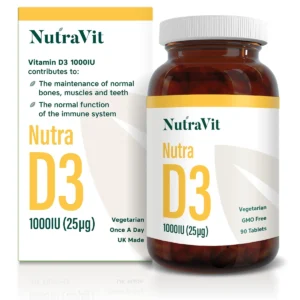
Vitamin D3 is the form naturally produced by the body following sunlight exposure and is widely used in supplements designed to support immune health, muscle function, and overall wellbeing.
Combining sensible sun exposure, a balanced diet, and appropriate supplementation can help support healthy vitamin D levels throughout the year.
Vitamin D and overall wellbeing
Vitamin D influences far more than just bone health.
From supporting immune function and muscle health to contributing to overall wellbeing, maintaining healthy vitamin D levels is an important part of a balanced approach to health.
If you’re experiencing ongoing fatigue, muscle weakness, or other symptoms associated with low vitamin D, it may be worth discussing your concerns with a healthcare professional.
Your Questions Answered
What are the symptoms of low vitamin D?
Common symptoms include fatigue, muscle weakness, low mood, frequent illness, reduced stamina, and bone discomfort.
Can low vitamin D make you tired?
Yes. Persistent tiredness is one of the most commonly reported vitamin D deficiency symptoms.
What causes vitamin D deficiency?
Limited sunlight exposure is one of the most common causes, although dietary intake and individual circumstances can also play a role.
What is the fastest way to improve vitamin D levels?
A combination of sensible sunlight exposure, dietary sources, and supplementation can help support healthy vitamin D levels.
Is vitamin D important in summer?
Yes. While the body can produce vitamin D from sunlight during summer, maintaining healthy levels remains important throughout the year.


