 FREE UK DELIVERY ON ORDERS OVER £20.
 WORLDWIDE SHIPPING AVAILABLE
 FREE UK DELIVERY ON ORDERS OVER £20.
 WORLDWIDE SHIPPING AVAILABLE


Feeling tired occasionally is normal, but persistent fatigue can have a significant impact on your daily life. While poor sleep, stress, and busy schedules are common causes of low energy, nutrient deficiencies can also play an important role. Vitamins and minerals are involved in everything from energy production and oxygen transport to brain function and muscle health. When levels become depleted, tiredness and fatigue can often follow. In this guide, we’ll explore seven nutrient deficiencies that may be affecting your energy levels, the signs to look out for, and how supporting your nutritional intake may help.
Quick answer: can nutrient deficiencies make you tired?
Yes. Several vitamins and minerals play an important role in energy production, oxygen transport, and nervous system function. Low levels of nutrients such as vitamin B12, folate, vitamin D, magnesium, and iron can contribute to feelings of tiredness and fatigue.
Why do nutrient deficiencies affect energy?
Your body relies on a wide range of nutrients to convert food into usable energy. Some nutrients help produce red blood cells, while others support healthy nerve function, muscle function, and metabolism.
When nutrient levels are low, these processes may become less efficient, potentially leading to symptoms such as:
- Persistent tiredness
- Low motivation
- Brain fog
- Reduced concentration
- Muscle weakness
- Poor recovery after exercise
If fatigue continues despite getting enough sleep, it may be worth considering whether your diet is providing adequate nutritional support.
1. Vitamin B12 deficiency
Vitamin B12 is one of the most common nutrient deficiencies associated with tiredness.
B12 helps the body produce healthy red blood cells, which transport oxygen around the body. When B12 levels are low, oxygen delivery may become less efficient, contributing to fatigue and weakness.
Common symptoms of low vitamin B12
- Tiredness and fatigue
- Brain fog
- Poor concentration
- Weakness
- Tingling sensations in the hands and feet
People following vegetarian or vegan diets may be at greater risk of deficiency because vitamin B12 is primarily found in animal-based foods.
Supporting your B12 intake
Foods rich in vitamin B12 include meat, fish, eggs, and dairy products.
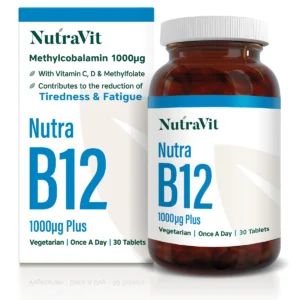
For those looking for additional nutritional support, Nutra B12 Plus provides vitamin B12 in a convenient daily supplement.
2. Folate deficiency
Folate, also known as vitamin B9, works closely with vitamin B12 to support red blood cell production and normal energy-yielding metabolism.
Low folate levels can sometimes contribute to fatigue, weakness, and difficulty concentrating.
Common symptoms of low folate
- Persistent tiredness
- Low mood
- Difficulty concentrating
- Weakness
- Headaches
Supporting your folate intake
Leafy green vegetables, legumes, and fortified foods are good dietary sources of folate.
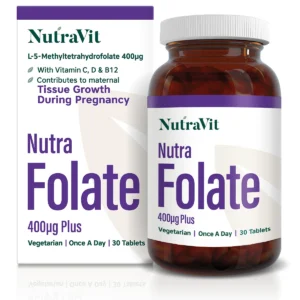
NutraFolate Plus provides targeted folate support and can help support healthy nutritional intake.
3. Vitamin D deficiency
Vitamin D is well known for its role in bone health, but it also supports immune function and muscle function.
Low vitamin D levels have been associated with fatigue and low energy, particularly during the autumn and winter months when sunlight exposure is reduced.
Common symptoms of low vitamin D
- Fatigue
- Muscle weakness
- Low mood
- Frequent illness
- General lack of energy
Supporting your vitamin D intake
Sunlight remains the primary source of vitamin D, but supplements can help support intake throughout the year.
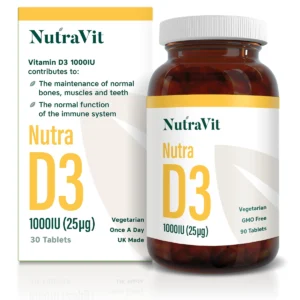
Nutra Vitamin D3 1000IU provides convenient daily vitamin D support.
4. Magnesium deficiency
Magnesium is involved in hundreds of processes throughout the body, including energy production, muscle function, and nervous system regulation.
Low magnesium levels may contribute to tiredness, muscle tension, and poor sleep quality.
Common symptoms of low magnesium
- Fatigue
- Muscle cramps
- Poor sleep
- Headaches
- Feeling run down
Supporting your magnesium intake
Magnesium-rich foods include nuts, seeds, whole grains, and leafy greens.
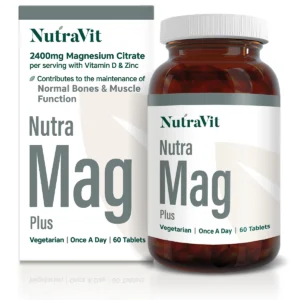
Nutra Mag provides a convenient way to support daily magnesium intake.
5. Iron deficiency
Iron helps transport oxygen throughout the body via haemoglobin in red blood cells.
When iron levels are low, less oxygen reaches tissues and organs, which can result in fatigue and reduced physical performance.
Common symptoms of low iron
- Extreme tiredness
- Shortness of breath
- Dizziness
- Pale skin
- Reduced exercise tolerance
If you suspect an iron deficiency, it is important to seek appropriate medical advice and testing.
6. Multiple B vitamin deficiencies
While vitamin B12 often receives the most attention, the entire B vitamin family plays a role in energy metabolism.
Vitamins B1, B2, B3, B5, B6, B7, B9, and B12 all contribute to helping the body convert food into energy.
Signs of low B vitamins
- Fatigue
- Brain fog
- Poor concentration
- Irritability
- Reduced stamina
Supporting your B vitamin intake
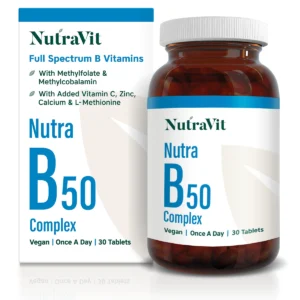
A broad-spectrum supplement such as Nutra B50 Complex can help support intake across the full range of B vitamins.
7. Inadequate overall nutrient intake
Sometimes fatigue is not linked to a single nutrient deficiency but rather a combination of nutritional gaps.
Busy lifestyles, restrictive diets, stress, and poor eating habits can all reduce overall nutrient intake over time.
Focusing on a varied diet rich in whole foods, alongside targeted supplementation where appropriate, can help support long-term energy and wellbeing.
Lifestyle factors that can also affect energy
While nutrient deficiencies can contribute to tiredness, it is important to remember that other factors may also play a role.
These include:
- Poor sleep quality
- Chronic stress
- Dehydration
- Lack of physical activity
- Excessive alcohol consumption
- Underlying health conditions
Supporting your energy levels often requires a holistic approach that combines good nutrition with healthy lifestyle habits.
Nutritional support for daily energy
Supporting your nutritional intake can be an important part of maintaining healthy energy levels.
Products such as Nutra B12 Plus, NutraFolate Plus, Nutra Vitamin D3 1000IU, Nutra Mag, and Nutra B50 Complex provide targeted nutritional support to help you meet your daily requirements and support overall wellbeing.
Your Questions Answered
Why am I always tired even when I sleep well?
Persistent tiredness can have many causes, including nutrient deficiencies, stress, poor sleep quality, dehydration, and underlying health conditions.
What vitamin deficiency causes extreme tiredness?
Vitamin B12, folate, vitamin D, and iron deficiencies are commonly associated with fatigue and low energy.
Can magnesium deficiency make you tired?
Yes. Magnesium plays a role in energy production and nervous system function, and low levels may contribute to fatigue.
Which vitamins help with energy?
B vitamins, vitamin B12, folate, vitamin D, and magnesium all play important roles in supporting energy metabolism and overall wellbeing.
How can I improve my energy levels naturally?
Eating a balanced diet, staying hydrated, exercising regularly, prioritising sleep, and ensuring adequate nutrient intake can all help support healthy energy levels.


