 FREE UK DELIVERY ON ORDERS OVER £20.
 WORLDWIDE SHIPPING AVAILABLE
 FREE UK DELIVERY ON ORDERS OVER £20.
 WORLDWIDE SHIPPING AVAILABLE


As the new year begins, many of us expect to feel refreshed and motivated. Yet January often brings the opposite. Short days, limited sunlight, and colder temperatures can quietly disrupt our internal rhythms, making deep, restorative sleep harder to achieve.
If your nights feel restless and your mornings sluggish, the issue may not be your bedtime routine alone. Instead, it may lie in a fundamental nutrient your body relies on to regulate both mood and sleep: tryptophan.
In this article, we explore the science behind tryptophan, serotonin, and melatonin, explain why winter can interfere with this delicate balance, and show how targeted nutritional support, including NutraVit’s NutraNuro and NutraRelax, can help you reclaim deeper, more restorative winter sleep.
Why rest feels harder when days are shorter
Human sleep is tightly regulated by light exposure. Daylight helps balance cortisol (your wake hormone) and serotonin, while darkness triggers the production of melatonin, the hormone responsible for sleep.
During winter, reduced sunlight exposure can disrupt this cycle. Spending more time indoors, combined with seasonal stress and post-holiday fatigue, can lead to lower serotonin levels. This not only affects mood, but also reduces the amount of melatonin your body can produce at night.
When this system is out of sync, common symptoms include difficulty falling asleep, frequent night waking, low mood, and persistent fatigue.
Rather than forcing sleep with stimulants or sedatives, the most effective approach is to support the body’s natural sleep pathways, starting with the raw materials it needs to function properly.
Tryptophan: the essential building block for serotonin and sleep
Tryptophan is an essential amino acid, meaning your body cannot make it on its own. It must be obtained through diet or supplementation.
Its importance lies in one key role: tryptophan is the sole precursor to serotonin. Without sufficient tryptophan, your body cannot produce adequate serotonin, regardless of how healthy your sleep habits are.
Serotonin plays a central role in emotional stability, stress regulation, and calm focus during the day. But its role in sleep goes even further.
How sleep is built step by step
Once consumed, tryptophan follows a well-established biological pathway:
- Tryptophan is converted into 5-HTP
- 5-HTP is then converted into serotonin
- When darkness falls, serotonin is converted into melatonin
This means that melatonin production at night depends on serotonin availability during the day, and serotonin availability depends on having enough tryptophan in the first place.
During winter, this pathway can become compromised due to reduced sunlight, stress, and nutritional gaps, leading to insufficient melatonin and poor-quality sleep.
NutraNuro: targeted support for the serotonin–melatonin pathway
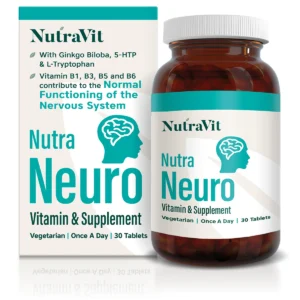
NutraVit’s NutraNuro is formulated to support this foundational sleep pathway by providing L-Tryptophan, the essential amino acid required for serotonin production.
By supplying the raw material your body needs, NutraNuro helps support:
- Healthy serotonin levels during daylight hours
- Balanced mood and cognitive function
- Efficient melatonin production at night
Rather than acting as a sedative, NutraNuro works with your biology, supporting the natural processes that regulate sleep-wake cycles, an especially valuable approach during the darker winter months.
Why stress still matters
Even with adequate tryptophan and serotonin, sleep can still be disrupted by stress, mental overactivity, and nervous system tension.
High stress levels keep cortisol elevated, making it harder for the body to respond to melatonin signals at bedtime. This is where calming, non-sedating support becomes essential.
NutraRelax: Creating the conditions for sleep to happen
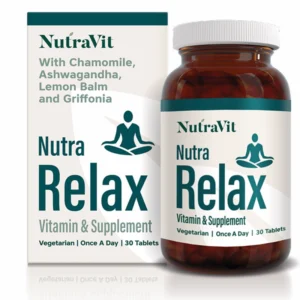
NutraRelax is designed to support nervous system calm and emotional balance, helping the body transition from alertness into rest.
Rather than supplying tryptophan, NutraRelax focuses on:
- Reducing stress-related tension
- Calming mental chatter
- Supporting relaxation before bed
This makes NutraRelax a valuable complement to NutraNuro. Together, they address both sides of the sleep equation – the biochemical pathway and the nervous system environment.
A holistic approach to deeper winter sleep
The most effective sleep support doesn’t rely on a single ingredient. Instead, it recognises that deep rest requires:
- Adequate building blocks for serotonin and melatonin
- Calm nervous system signalling
- Reduced stress and mental stimulation
- Consistency over time
By combining targeted nutritional support with calming routines, your body is better equipped to adapt to winter’s demands and maintain restorative sleep patterns.
Embrace a better-rested winter
Quality sleep underpins everything from immune resilience and energy levels to mood and mental clarity. During winter, supporting your body’s natural sleep pathways becomes more important than ever.
By understanding the role of tryptophan and serotonin, and supporting both the biochemical and emotional sides of sleep with NutraNuro and NutraRelax, you can move through the darker months feeling calmer, clearer, and more rested.
A well-rested winter isn’t about forcing sleep. It’s about giving your body exactly what it needs to find it naturally.
Your Questions Answered
What’s the difference between tryptophan and melatonin?
Tryptophan is an essential amino acid your body uses to produce serotonin. Melatonin is the sleep hormone created from serotonin when darkness falls.
Does NutraRelax contain tryptophan or 5-HTP?
No. NutraRelax supports nervous system calm and relaxation but does not contain tryptophan or 5-HTP.
Which NutraVit product contains L-Tryptophan?
NutraNuro contains L-Tryptophan and supports the serotonin–melatonin pathway.
How long does it take to notice benefits?
Some people notice improvements within days, while others may need two to four weeks of consistent use for optimal support.
Why is winter a good time to support serotonin levels?
Reduced sunlight during winter can lower serotonin production, affecting both mood and sleep. Supporting this pathway helps counter seasonal disruption.


