 FREE UK DELIVERY ON ORDERS OVER £20.
 WORLDWIDE SHIPPING AVAILABLE
 FREE UK DELIVERY ON ORDERS OVER £20.
 WORLDWIDE SHIPPING AVAILABLE


Folate plays a vital role in energy production, mood regulation, and brain health by supporting red blood cell formation, neurotransmitter balance, and cognitive function. When folate levels are low or poorly absorbed, symptoms such as fatigue, low mood, brain fog, and poor concentration may appear. Unlike folic acid, active folate is already in a usable form, making it easier for the body to support mental clarity and emotional wellbeing. In this guide, we explore how folate supports energy, mood, and brain health, why absorption matters, and how choosing the right form of vitamin B9 can make a meaningful difference to daily vitality and mental resilience.
Why folate matters beyond pregnancy
Folate is often associated with pregnancy, but its role in the body extends far beyond reproductive health. Vitamin B9 is essential for anyone looking to support consistent energy levels, emotional balance, and cognitive performance.
Because folate supports oxygen delivery, neurotransmitter production, and nervous system health, even mild insufficiency can affect how energised, focused, and emotionally stable you feel. Understanding how folate works, and choosing the right form, can help support both mental and physical wellbeing.
Quick answer: what is folate?
Folate is the natural, active form of vitamin B9 that the body uses to support energy production, brain function, and mood regulation.
It helps the body produce red blood cells, synthesise DNA, and create neurotransmitters such as serotonin and dopamine. Unlike folic acid, folate does not require conversion before it can be used by the body.
How folate supports energy levels
Folate plays a direct role in energy production by supporting the formation of healthy red blood cells. These cells transport oxygen around the body, helping tissues and muscles produce energy efficiently.
When folate levels are low or absorption is impaired, oxygen delivery may be reduced, leading to symptoms such as persistent tiredness, weakness, or low stamina. Supporting adequate folate intake helps maintain steady energy levels throughout the day without reliance on stimulants.
Folate and mood regulation
Mood balance depends heavily on neurotransmitters, the chemical messengers that allow brain cells to communicate. Folate is required for the synthesis of key neurotransmitters including serotonin, dopamine, and norepinephrine.
When folate status is suboptimal, neurotransmitter production may be affected, which can contribute to low mood, irritability, or emotional fatigue. Supporting folate intake helps maintain the biochemical pathways that influence emotional wellbeing and stress resilience.
Brain health and cognitive function
Folate is essential for brain health at every stage of life. It supports DNA synthesis, cell repair, and nerve signalling, all of which are critical for memory, focus, and mental clarity.
Adequate folate intake has been linked to improved concentration and reduced cognitive fatigue. Over time, maintaining healthy folate levels may also support long-term brain health by protecting neurons from oxidative stress and impaired methylation.
Why absorption matters: folate vs folic acid
Not all forms of vitamin B9 are the same. Folic acid is a synthetic form that must be converted into active folate before the body can use it. Some individuals have reduced ability to complete this conversion efficiently.
Active folate, on the other hand, is already in a bioavailable form. This means it can be used directly to support energy, mood, and brain function without relying on complex metabolic steps.
Quick answer: how does folate support mood and brain health?
Folate supports mood and brain health by helping produce neurotransmitters, maintaining nerve signalling, and supporting oxygen delivery to the brain.
Because these processes are ongoing, consistent intake of bioavailable folate is important for sustained mental clarity and emotional balance.
A practical option for active folate support
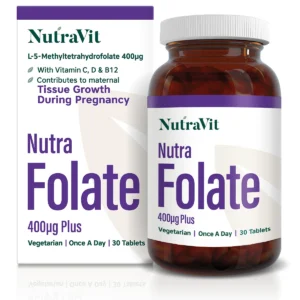
For those looking for a bioavailable form of vitamin B9, NutraFolate Plus is formulated using active folate rather than standard folic acid. This means it does not rely on conversion processes before the body can use it.
By providing folate in an active form, NutraFolate Plus supports red blood cell formation, neurotransmitter production, and cognitive function, making it suitable for individuals focused on energy, mood balance, and brain health.
folate benefits for energy and mood
Supporting folate naturally through lifestyle
Alongside supplementation, folate status can be supported through a balanced diet and healthy lifestyle habits. Leafy greens, legumes, and whole foods provide natural folate, while good sleep, stress management, and gut health help support absorption and utilisation.
Folate works best as part of a broader wellness approach that supports nervous system health and metabolic balance.
Final thoughts
Folate is a foundational nutrient for energy, mood, and brain health. By supporting oxygen delivery, neurotransmitter balance, and cognitive function, it plays a central role in how energised, focused, and emotionally resilient you feel.
Choosing an active, bioavailable form of folate helps ensure the body can access these benefits efficiently, supporting everyday wellbeing from the inside out.
Your Questions Answered
Can low folate cause fatigue?
Yes. Folate supports red blood cell formation and oxygen transport. Low levels may contribute to tiredness and low energy.
Does folate affect mood?
Folate is involved in neurotransmitter production, including serotonin and dopamine, which influence mood and emotional balance.
Is folate important for brain health?
Yes. Folate supports DNA synthesis, nerve signalling, and cognitive function, all essential for brain health.
Is active folate better than folic acid?
Active folate does not require conversion before use, making it more accessible for individuals who struggle to process folic acid efficiently.


